Developer Preview

This site is currently in private preview.
Enter your access key to continue.

Invalid key. Please try again.

Authorized personnel only

reMind
Ambient Memory Support Ecosystem

Because no one should forget they matter.

reMind transforms the Apple devices your family already uses and knows into an intelligent, empathetic care ecosystem for people living with dementia. Zero-click. Predictive. Compassionate.

0 B+ Dementia care market
0 M Canadians affected
Zero Clicks required
1:42
●● ○○ 86%
SUNDAY, MARCH 22
Good evening, Diane
Today's Highlights
All Clear ✓
Great Day

Sleep was restful. Morning routine completed smoothly. Photo slideshow from the lake house playing this afternoon.

Talk to reMind
Your companion is always here
COMING UP 7:00 PM
TV time
Your favourite show is on
Medications
3 remaining
Life Vault
6 memories
Legacy Vault
Emergency
Home
reMind
Care
Activity

Built on the ecosystem families already trust

Apple
hue Philips Hue
HomeKit
HealthKit
August
Bell 5G

For the Person

Live life without feeling like a burden. reMind handles all the invisible complexity — routines, safety, medications, communication — so they can just be themselves.

Tap to learn more →

For the Caregiver

Care without burning out. Real-time data, predictive alerts, and shared dashboards mean you're informed, supported, and never alone in this.

Tap to learn more →

For Everyone Who Loves Them

Stay connected. Friends and family call, text, and FaceTime like normal — reMind handles the dialling, answering, and tech on their end. No one even knows it's there.

Tap to learn more →

For the Person

reMind is built around one core belief: the person with dementia deserves to keep living a full, dignified life — not just exist inside a system designed around their diagnosis.

Dignity-First Care

reMind never commands, never corrects, and never surveil. It works in the background — invisible to the person — so they feel independent, competent, and free. No cameras. No alarms they need to respond to. No visible technology to confuse them.

Invisible Daily Routines

Morning medication reminders come as gentle chimes and spoken prompts from HomePod — not clinical alarms. Lights guide them through their bathroom routine by illuminating product trays in sequence. Familiar music plays automatically at the times they've always loved it.

Safety Net Without the Net

Motion sensors, smart locks, and Apple Watch vitals create a 24/7 safety mesh. If they wander, reMind detects it. If they fall, reMind responds. If a UTI is developing, reMind catches the behavioral patterns 48 hours before clinical presentation. But they'll never know it's happening.

Medication Management

Smart pill dispensers track what's been taken. If a dose is missed, reMind escalates gently — first a kind audio reminder, then a notification to the caregiver. No confrontation. No confusion. Just quiet assurance that they're covered.

Emotional Wellbeing

reMind's AI uses validation therapy — clinically proven to reduce anxiety and agitation. If the person is distressed, it meets them in their reality with warmth. Family photos rotate on Apple TV. Their favourite songs play when the system detects agitation. The Life Vault stores memories, stories, and voices from the people they love most.

For the Caregiver

Caregiving shouldn't mean sacrificing your health, your relationships, or your sense of self. reMind is your co-pilot — not a replacement, but a force multiplier.

Real-Time Dashboard

One screen. Everything you need. Sleep quality, medication adherence, activity levels, mood patterns, wandering incidents, and vitals — updated continuously and shown in beautiful, comprehensible charts. Not clinical jargon. Clear, human-readable insights.

Predictive Alerts

reMind doesn't wait for emergencies — it prevents them. Pattern recognition detects UTIs 48 hours before clinical symptoms. Sleep disruption trends flag sundowning escalation before it happens. You get alerted before the crisis, not during it.

Shared Care Team

Invite family members, nurses, and physicians to a shared dashboard. Everyone sees the same data — no more fragmented phone calls trying to relay what happened last night. Physicians get 90-day trend reports they can use for treatment adjustments.

Burnout Prevention

reMind monitors you too. If your patterns change — less sleep, increased check-ins, longer response times — the system gently suggests respite resources, support groups, or to lean on other care team members. You matter in this equation.

Respite Without Guilt

When you need a break, reMind runs. The system doesn't stop working because you step away. You can monitor from anywhere. You can silence notifications for a nap. The person you love is still protected — and you get to breathe.

For Everyone Who Loves Them

Dementia isolates people — not because they don't want connection, but because the technology between them becomes a barrier. reMind removes that barrier entirely.

Auto-Answer FaceTime

Incoming calls from approved contacts are answered automatically. The person's grandchild calls — and suddenly, their face is on the iPad. No buttons. No swiping. No confusion. Just connection.

One-Tap Photo Calling

The iPad Hub shows large, clear photos of family members. Tap a face → instant FaceTime call. No phone numbers, no apps to navigate, no contact lists. If they can recognize a face, they can make a call.

Message Bridging

When a grandchild sends a text, reMind reads it aloud through HomePod in a warm, natural voice. The person can respond by speaking — reMind converts their words back to text and sends it. To the grandchild, it just looks like a normal text conversation.

Social Calendar

reMind learns the person's best windows for engagement — when they're most alert, most receptive, most themselves — and can suggest optimal call times to family members. "Nan is usually sharpest around 10am" means calls land when they'll be most meaningful.

Invisible to the Caller

The person on the other end uses their normal phone, FaceTime, messaging app — whatever they always use. They have absolutely no idea that reMind is managing the connection on the other side. It just works. And the relationship just continues.

Intelligent care that works around them, not through them.

Every feature is designed with one principle: the person with dementia never needs to touch a button, learn an interface, or remember how to use technology.

The UTI Catcher

Philips Hue motion sensors + Apple Watch sleep data detect nocturnal restlessness patterns that precede urinary tract infections — 24–48 hours before clinical presentation.

Predictive Biomarker
  • How it works: Motion sensors track nighttime bathroom frequency. Apple Watch monitors sleep disruption patterns and heart rate variability.
  • The insight: UTIs cause behavioral changes before physical symptoms appear. Increased nocturnal restlessness and agitation often precede infection by 1–2 days.
  • Devices: Philips Hue motion sensors, Apple Watch, Withings Sleep Mat
  • Caregiver alert: Automated notification with data context: "Nocturnal trips increased 3x in 48 hours. Recommend clinical assessment."

Sundowning Defense

Coordinated warm lighting, calming music, and gentle AI voice activate at dusk to reduce late-afternoon agitation.

  • Triggers: Automated based on sunset time + learned agitation patterns. Activates 30 minutes before typical onset.
  • Lighting: Philips Hue shifts to warm 2200K–2700K, mimicking golden hour to counter confusion from fading daylight.
  • Audio: HomePod plays personalized playlists — familiar music from their era reduces agitation by up to 67%.
  • Escalation: If heart rate stays elevated beyond 20 minutes, reMind notifies the caregiver with full context.

Acoustic Breadcrumbing

Multi-room HomePod array plays directional audio to subconsciously guide toward bathroom, bed, or kitchen.

  • Sound design: Subtle, familiar audio cues — a kettle boiling toward the kitchen, soft water sounds toward the bathroom.
  • Spatial audio: HomePods in different rooms activate sequentially, creating an invisible audio path that guides without commanding.
  • No commands: The person never hears "go to the bathroom" — they just naturally follow the sensory trail.
  • Adaptive: Learns which sounds work best for each individual over time. Adjusts volume and type based on effectiveness.

Magic Window

Apple TV auto-activates to show family photos, nature scenes, and memory prompts. Zero clicks. Pure connection.

  • Content: Rotates between family photos, familiar landscapes, nature footage, and memory-prompting slideshows curated by caregivers.
  • Context-aware: Morning shows bright, energizing content. Evening shifts to calming nature scenes. Night reduces blue light automatically.
  • Zero interaction: Activates when motion is detected in the room. No remotes, no buttons, no confusion.
  • Reminiscence therapy: Clinically proven to reduce anxiety and improve mood in people with dementia through positive memory association.

Validation Therapy AI

reMind uses clinically-grounded validation therapy. Never argues. Never corrects. Redirects with warmth.

  • Approach: Based on Naomi Feil's validation method — enters the person's emotional reality rather than correcting them.
  • Example: If Diane says "I need to pick up my kids from school," reMind doesn't say "your kids are grown." It says "Tell me about your kids. What are their names?"
  • Voice: Warm, unhurried tone. Never robotic. Pacing adapts to the person's cognitive state and emotional cues.
  • Boundaries: Never provides medical advice. Never makes promises. Always defers to caregiver for complex decisions.

The Shower Playlist

A 23-step guided audio walkthrough turns the most complex daily activity into a supported, dignified experience. Illuminated product trays glow to guide. No cameras. Ever.

Hygiene Module
  • 23 micro-steps: From "step into the bathroom" to "you're all done" — each step is a short, clear, encouraging audio prompt through HomePod.
  • Illuminated trays: Hue light strips under product trays glow in sequence — shampoo lights up first, then conditioner, then body wash.
  • Pause-aware: If the person stops, reMind gently re-prompts. If they stop for 5+ minutes, caregiver is notified privately.
  • Privacy first: Absolutely no cameras. Only motion sensors and audio. The system guides by sound and light alone.
  • Tracked: Each session is logged with step completion rate, duration, and assistance needed — giving caregivers real hygiene data.

Stay Connected

Friends and family call and FaceTime like normal. reMind answers, dials, and manages the tech — so the person just talks. No one on the other end even knows reMind is there.

Social Bridge
  • Auto-answer: Incoming FaceTime calls from approved contacts are answered automatically. The person just hears their grandchild's voice.
  • One-tap calling: The iPad Hub shows large photo tiles of family members. Tap a face → instant FaceTime. No phone numbers, no dialing.
  • Invisible to callers: The person on the other end uses their normal phone, FaceTime, or messaging app. They have no idea reMind is managing the connection.
  • Smart timing: reMind learns the person's best windows for engagement and can suggest optimal call times to family members.
  • Message bridging: Text messages from family are read aloud through HomePod. The person can respond by voice — reMind converts it back to text.

Real scenarios. Real responses. Zero buttons pressed.

Choose a scenario to see how reMind orchestrates the entire home.

2:14 AM
Withings Sleep

Motion detected

Withings Sleep sensor under the mattress detects movement. Diane sits up. The system wakes before anyone else.

2:14 AM
Philips Hue

Soft amber glow

Under-bed LED strip and bedroom sconces dim up slowly — warm 2200K amber at 8% brightness. Enough to see, not enough to fully wake.

2:15 AM
HomePod

reMind speaks

“Hi Diane, it’s a bit early to wake up — do you have to go to the bathroom?”

Diane responds

The system listens. Her answer determines what happens next.

✓ Bathroom Path

“Okay, I’ll light up the way.”

Aware Hallway lights advance

Hue strips light up sequentially along the hallway — illuminating the path one zone at a time toward the bathroom.

Respond Bathroom dims up

Bathroom sconces activate at warm, low brightness. Nightlight mode — no harsh overhead. Timed 8-minute auto-off.

Secure Back to bed

Motion sensors detect return path. Lights dim back down gently. Bedroom returns to darkness. Withings confirms sleep.

Adapt Event logged

Caregiver dashboard records: “2:14 AM — Nocturnal waking, bathroom trip, returned to bed 2:22 AM. Duration: 8 min. No anomalies.”

⚠ Emergency Path

The system assesses risk immediately.

Risk assessment

reMind cross-references heart rate (Apple Watch), time of night, recent sleep quality, and behavioral patterns. Is Diane confused? In pain? Distressed?

Calming response

HomePod plays gentle orientation audio: “It’s Tuesday night, Diane. You’re at home. Everything is okay.” Hue lights hold steady.

Emergency contacts notified

Caregiver receives an urgent push notification with context: “Diane is awake and disoriented. Heart rate elevated. Immediate attention recommended.”

Protocols engaged

All house lights activate at safe levels. Doors remain locked (smart lock). If no caregiver response in 5 minutes, secondary contacts are escalated. 911-ready if critical.

No new hardware to invent. Just the devices families already own.

reMind orchestrates Apple's ecosystem and Philips Hue into a coordinated care environment.

iPad Hub

Central interface. AI companion. Daily schedule. Locked to reMind via Guided Access.

Apple Watch

Vitals monitoring. Fall detection. Haptic reminders. GPS geofencing for wandering.

HomePod Array

Acoustic breadcrumbing. Shower Playlist. Music therapy. The voice of reMind.

Apple TV

Zero-click Magic Window. Family photos. Nature scenes. Reminiscence therapy.

Philips Hue

Adaptive circadian lighting. Motion tracking. Nocturnal safety. The Beacon Board.

Caregiver App

Real-time dashboard. Medication logs. Hygiene tracking. Predictive alerts.

Six devices. One intelligence. Zero buttons.

Every device in the home talks to every other device — orchestrated by reMind Core. Here's how they actually work together.

Live · All systems nominal
reMind Core
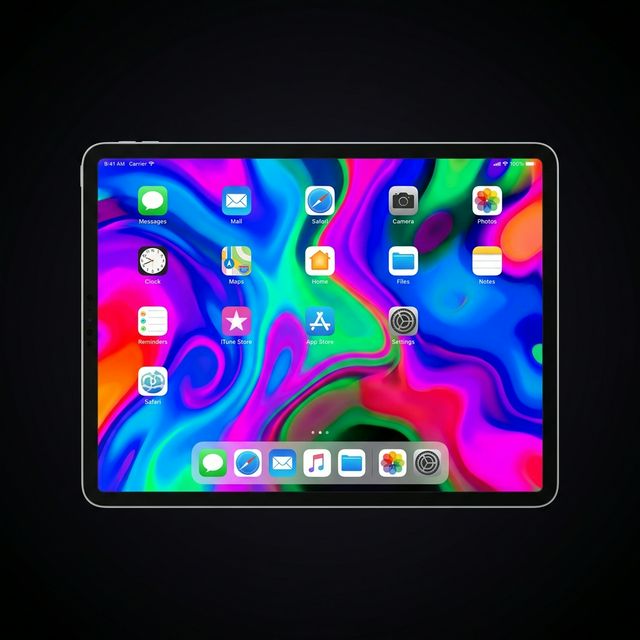
iPad Hub iPad Hub HomeKit · BLE
📋 Showing: Evening Schedule
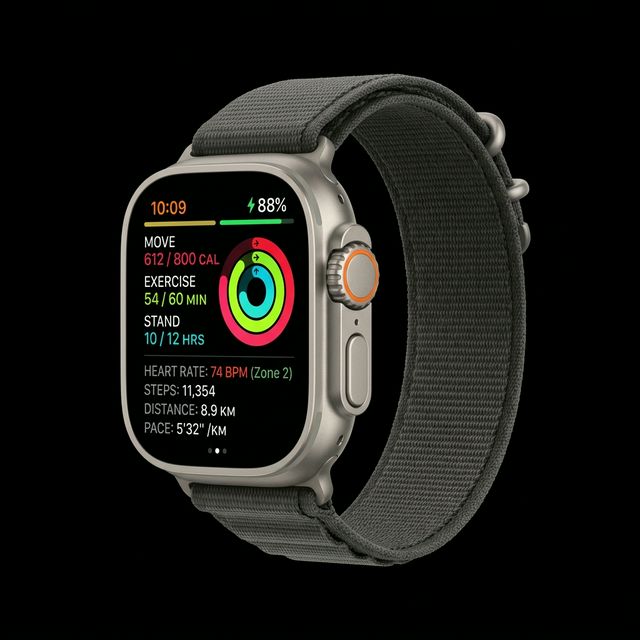
Apple Watch Apple Watch HealthKit
❤️ HR: 72 bpm · Normal
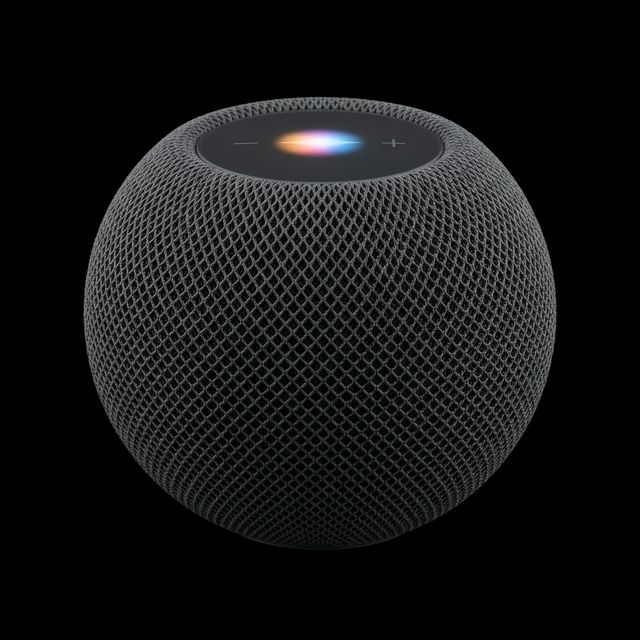
HomePod HomePod AirPlay
🎵 Playing: Ella Fitzgerald

Apple TV Apple TV HDMI
🖼 Magic Window: Family Photos

Philips Hue Philips Hue Zigbee
💡 Warm 2700K · Circadian
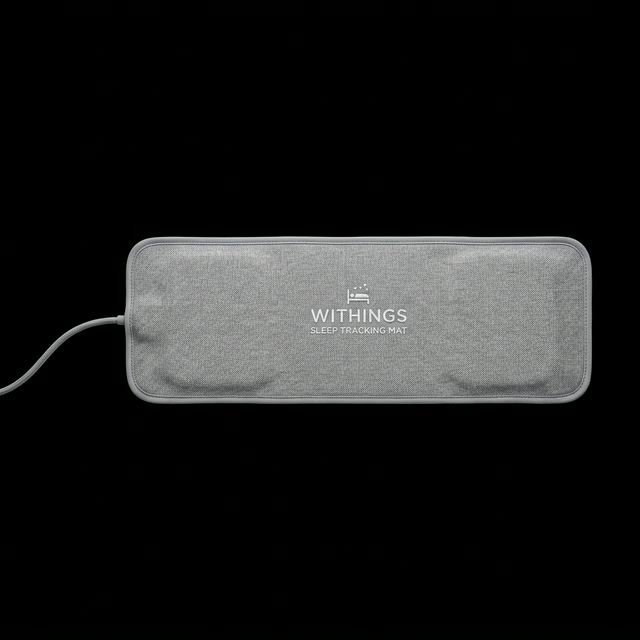
Withings Withings WiFi
😴 Deep Sleep · REM Cycle

A system that evolves as they change.

Using the GDS/FAST clinical framework, reMind automatically adapts its care intensity — always with caregiver approval. No two journeys are the same.

Companion Mode

GDS 3–4 · Mild Cognitive Decline
Care Intensity

The person is still largely independent. reMind is a helpful friend — never intrusive, always available. Gentle support that empowers without taking over.

Conversational AI

Natural voice companion for check-ins, stories, and gentle orientation.

Calendar Sync

Appointments, family visits, and daily events — displayed simply on iPad.

Gentle Reminders

Medication times, meals, and hydration — soft chimes, never alarms.

Life Vault

Family-curated memories, photos, and stories accessible anytime.

Guardian Mode

GDS 5 · Moderate Cognitive Decline
Care Intensity

Independence is declining. reMind steps up as a structured daily partner — proactively guiding through routines while preserving as much autonomy as possible.

Shower Playlist

23-step guided audio walkthrough for the most complex daily activity. No cameras. Ever.

Medication Cascade

Multi-reminder system: visual → audio → caregiver alert. Never missed.

Sundowning Defense

Coordinated warm lighting, calming music, and gentle voice at dusk.

Acoustic Breadcrumbing

Multi-room audio guides them toward bathroom, kitchen, or bed. Subconsciously.

Shepherd Mode

GDS 6 · Severe Cognitive Decline
Care Intensity

Communication is difficult. reMind becomes the co-pilot for caregivers — simplifying everything, using music as the primary connection, and detecting what words can no longer express.

Music-Dominant Care

Personalized Life Soundtrack plays throughout the day. Familiar melodies from their era — the last language to fade.

Behavioral Biomarkers

Pain detection through movement patterns, heart rate, and sleep disruption — because they can no longer tell you.

One-Step Commands

Simple, single-instruction prompts. "Pick up the spoon." Then wait. Then next step. Never overwhelming.

Caregiver Co-Pilot

Real-time guidance for caregivers: what to say, how to redirect, when to step back.

Legacy Mode

GDS 7 · End‑stage
Care Intensity

The system's final, most sacred role. reMind preserves who they were — their voice, their stories, their essence — so the family never forgets. Even after they're gone.

Life Vault Playback

Their stories, in their voice. Photo galleries, family recordings, narrated memories — a living memorial.

Family Voice Library

Children, grandchildren, and friends leave voice messages that play on schedule. Connection that transcends loss.

Comfort Environment

Perpetual warm lighting, familiar music, nature sounds. The home becomes a cocoon of peace.

Legacy Vault

A permanent digital archive for future generations. Letters, videos, voice recordings — their gift to the family.

Why progressive — not all at once?

Decades of clinical research show that preserving autonomy is one of the most important factors in quality of life for people living with dementia. When support is deployed too aggressively or too early, it accelerates dependence, erodes self-esteem, and strips away the very identity we're trying to protect.

The science of self-determination

Self-Determination Theory (Deci & Ryan) demonstrates that people experience greater well-being when they perceive their behaviour as freely chosen. The PRIDE intervention — a landmark post-diagnostic program — proved that structured support for independence leads to significantly better cognitive, social, and emotional outcomes than passive care models.

Sources: NIH · Alzheimer's Association Practice Recommendations · PRIDE Study

Adaptive intelligence, not guesswork

reMind continuously analyzes biometric data, behavioural patterns, sleep architecture, and environmental signals to understand exactly where each person is on their journey. Nothing is assumed. Every escalation is data-driven, reviewed by caregivers, and approved by the care circle before it ever reaches the person.

Powered by: HealthKit · CoreML · CloudKit Analysis

The right support — at the right time

A person in the Companion stage doesn't need shower playlists or wandering alerts. Deploying those tools prematurely creates anxiety, confusion, and a feeling of surveillance. reMind waits — and when the data, the caregiver, and the clinical framework agree — it steps up precisely, gently, and only as far as needed.

Framework: GDS/FAST Clinical Staging · Caregiver Approval Required
Why This Exists

This isn't a startup pitch.
It's personal.

My nan has Alzheimer's.

I watched the sharpest, funniest, most caring woman I've ever known slowly lose the ability to remember where she is, who's visiting, or whether she's eaten today.

But here's the thing most people don't know: this happened before. My great-grandmother — my nan's mother — had dementia too. And my nan was her primary caregiver. For years, she gave everything she had. She didn't sleep. She didn't ask for help. She just kept going until there was nothing left. And when my great-gram finally passed, my nan was so burned out, so depleted, that she started showing signs of dementia herself. The cycle didn't end — it just moved to the next person.

Now my nan lives with my uncle. And I can see it happening again. The exhaustion. The isolation. The weight of being everything to someone who needs everything, every single day. Caregiver burnout isn't a side effect — it's the system failing the people who care the most.

I come from nursing. I've worked as an Ambulance Communications Officer in emergency services — the voice on the other end of 911 when things have already gone wrong. I've dispatched paramedics to elderly patients who wandered out at 3 AM. I've taken calls from caregivers in crisis. I've heard what happens when the system fails — and it fails every single day.

What broke me wasn't the emergencies. It was realizing that almost every single one of them was preventable. The wandering. The falls. The UTIs that went undetected for days. The sundowning episodes that escalated because nobody intervened at dusk. These aren't mysteries — they're patterns. And patterns can be predicted.

reMind exists because I've seen this from every angle — as a grandson who watched it happen twice, as a nurse, as a first responder — and I refuse to accept that the best we can offer is "check on them more often."

— Cody, Founder

They're still in there.

Dementia doesn't erase a person. It buries them under confusion, fear, and lost connections. reMind doesn't treat your loved one as a patient to be managed. It treats them as a person to be preserved.

Never corrected

If she says it's 1987, reMind doesn't argue. It enters her reality with warmth, curiosity, and respect. No shame. No confusion. Just connection.

Never commanded

No one says "go to the bathroom." Instead, the sound of running water gently draws her there. The lights guide. The music soothes. She moves on her own terms.

Never forgotten

The Life Vault stores her favourite songs, her family photos, the stories that made her laugh. reMind knows who she was — and helps the world see who she still is.

Never surveilled

No cameras. No microphones recording conversations. reMind uses motion sensors, light, and sound — never intrusive monitoring. Privacy isn't optional. It's foundational.

What changes with reMind

Today
  • You set 4 phone alarms to check on them through the night
  • You monitor a baby monitor and hope for the best
  • You haven't slept through the night in 6 months
  • You guess whether a UTI is coming based on "she seemed off today"
  • You describe symptoms from memory at doctor appointments
  • You carry the weight entirely alone
With reMind
  • The system monitors 24/7 and only wakes you when it matters
  • Motion sensors, smart locks, and AI watch proactively
  • You sleep — knowing you'll be alerted only if needed
  • reMind detects UTI patterns 48 hours before clinical presentation
  • You hand the doctor a 90-day report with real trend data
  • Family, nurses, and physicians share one dashboard
For the Ones Who Never Stop

We see you.

You didn't choose this. Nobody does. One day, the person you love started forgetting — and overnight, you became a nurse, a therapist, a crisis manager, and a round-the-clock guardian. You gave up sleep. You gave up plans. Some days, you gave up parts of yourself.

reMind was built because you shouldn't have to carry this alone. Not the nighttime vigilance. Not the constant worry. Not the impossible weight of being someone's entire world while your own quietly falls apart.

This section is yours. Everything below exists because of you — and for you.

60%

experience burnout

of family caregivers report clinical-level depression, anxiety, and physical decline. The people who give everything often have nothing left.

24/7

always on call

The average caregiver works around the clock — managing medications, monitoring behaviour, coordinating care. Often entirely alone.

5.4yr

average duration

Dementia caregiving spans years, not months. It's a marathon run at a sprint's pace — and the finish line keeps moving.

Our promise to you

reMind doesn't replace you — nothing could. But it gives you something you've been missing: breathing room. The intelligence to predict problems before they escalate. The confidence to sleep knowing someone is watching. The data to walk into appointments prepared. And the gentle reminder that taking care of yourself isn't selfish — it's necessary.

How reMind supports you

Finally Breathe

reMind handles the constant vigilance — nighttime monitoring, medication reminders, daily routines — so you can step back without the guilt.

Know They're Safe

Smart locks, motion sensors, wandering detection, and instant escalation alerts. You'll never lie awake wondering "are they okay?" again.

Sleep Again

The real-time dashboard shows everything at a glance. Sleep quality, medication adherence, mood patterns. No more catastrophizing at 2 AM.

Stay Ahead

Predictive alerts detect UTIs, sundowning, and sleep disruptions 24–48 hours before they become crises.

Zero Learning Curve

Works with the Apple devices your family already owns. Setup takes 15 minutes. Then it just works.

Share the Weight

Invite family, nurses, and physicians to the dashboard. Everyone stays in sync. Nobody falls through the cracks.

Walk In Prepared

One-tap physician reports with 90-day trend data — sleep charts, behavioral patterns, medication logs.

Your Wellbeing Matters

reMind monitors your wellbeing too. Wellness check-ins, respite reminders, and crisis resources.

“You became a caregiver out of love. reMind makes sure that love doesn't cost you your health, your sleep, or your life.”

Join the Waitlist

Every decision is clinically grounded.

reMind's features aren't guesses — they're built on decades of peer-reviewed research in dementia care, gerontology, and ambient assisted living.

01

Predictive Biomarkers

Studies show nocturnal restlessness patterns precede UTIs by 24–48 hours in dementia patients. Wearable + environmental data can detect these behavioural shifts before clinical symptoms appear.

Journal of the American Geriatrics Society
02

Light-Based Sundowning Interventions

Controlled warm lighting at 2200K–2700K during dusk hours reduces late-afternoon agitation by up to 40% in persons with dementia. Circadian lighting protocols are now standard in progressive memory care.

Alzheimer's & Dementia: Translational Research
03

Music Therapy & Agitation Reduction

Personalized music from a patient's era of peak emotional memory (ages 15–25) reduces agitation scores by up to 67%. Recurring exposure strengthens recall pathways and reduces need for sedation.

Cochrane Database of Systematic Reviews
04

Validation Therapy Outcomes

Naomi Feil's validation method — entering the person's emotional reality rather than correcting — reduces distress behaviours and improves caregiver-patient interactions across all stages of dementia.

International Psychogeriatrics

Designed with PHIPA, PIPEDA, and HIPAA compliance frameworks. All data encrypted at rest and in transit. No personal health information is ever sold or shared.

Alzheimer's & Dementia Education Centre

Deeply researched, clinically grounded, and written with empathy. Understanding dementia types, caregiver support, communication guides, home safety, legal planning, crisis resources, and more.

Explore Resources →

Care that costs less than one day of facility care.

Memory care facilities charge $6,000–$10,000/month. reMind keeps your loved one at home — safely, with dignity.

AI Helper
$0/mo

The foundation of ambient care.

  • iPad Hub with reMind AI
  • Daily schedule & reminders
  • Medication management
  • Caregiver dashboard
  • Life Vault
Get Started
Ultra
$0/mo

Full-home ambient orchestration.

  • Everything in Companion
  • Acoustic Breadcrumbing
  • Magic Window (Apple TV)
  • Beacon Board + Hue integration
  • Shower Playlist
  • Wandering prevention
  • Kitchen safety
Get Started

Join the reMind pilot.

We're launching a 10-home pilot in Sault Ste. Marie, Ontario. Be among the first families to experience predictive ambient care.

No commitment. No spam. Just updates on our journey.